
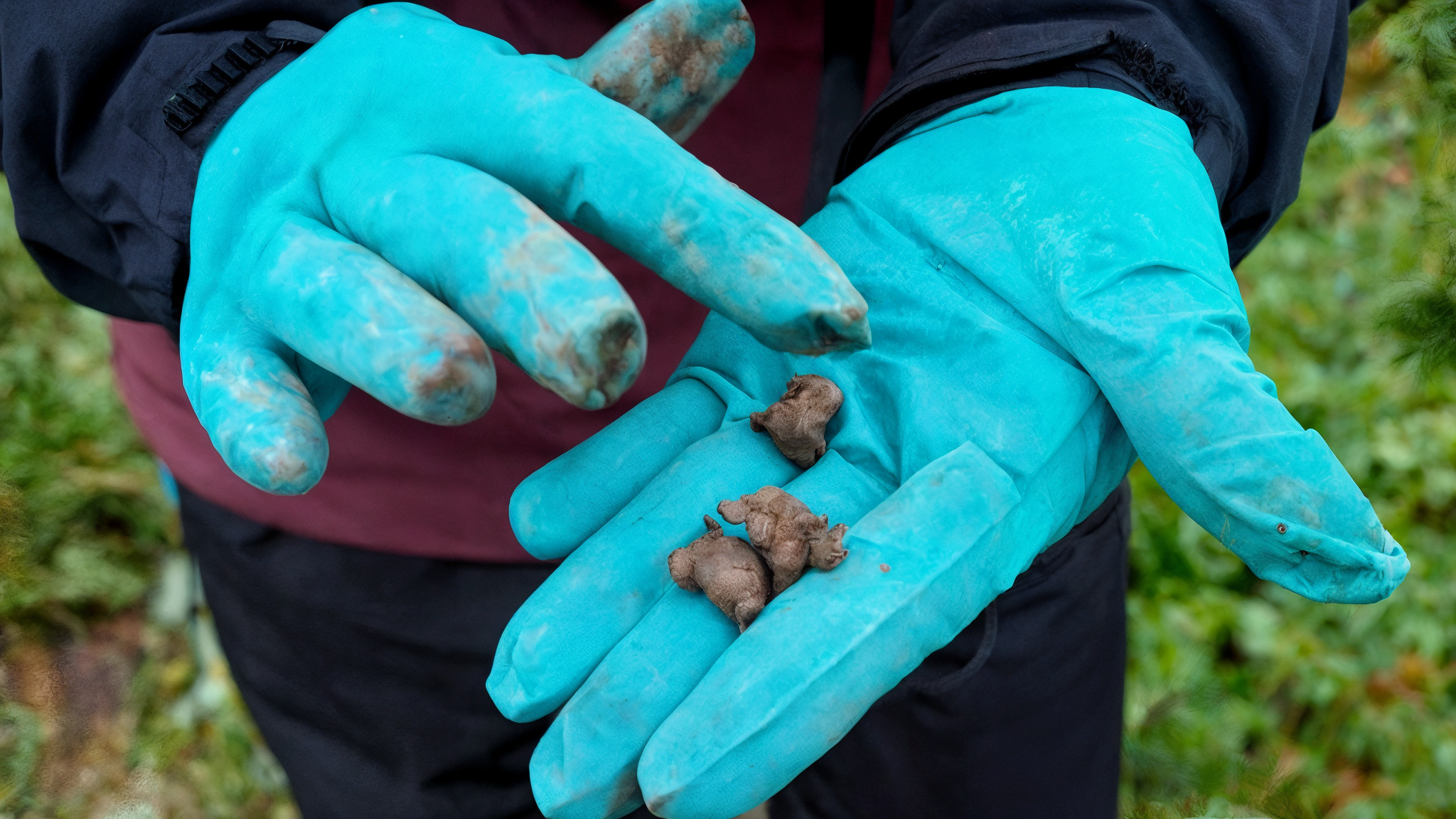
litter, is essential for the physical, chemical, and biological quality of soil. A dynamic underground environment makes nutrients and carbon available to plants so they can grow and carry out photosynthesis.
In this module, you will learn:
The Condition of Soil – Good or Bad?
Soil is, in many ways, its own ecosystem because it hosts a range of biological and chemical processes, living organisms, water, and plant growth. It is the foundation for most life above the surface, and for that reason alone, soil health is crucial for anyone working in agriculture.
In this module, we zoom in on how the quality of a specific soil depends on the interaction between microorganisms, water and transport, structure and the proportions of sand, silt, and clay particles, as well as organic matter. All of these factors are influenced by how humans manage the soil.
A Healthy Soil:
- Supports environmentally friendly and sustainable plant production
- Is climate,resilient against weather extremes such as drought and heavy rainfall
- Has good physical (structure), chemical (fertility), and biological (health) conditions
- Maintains a good balance between organic and mineral components
According to plant and soil science researcher Veronika Hansen, the health of the soil is crucial:
The soil is a living and complex system with many important functions. We use the soil for food production, but also for clean drinking water, climate regulation, biodiversity, and the recycling of nutrients. So it’s important that it is in good condition,
Veronika works on testing cultivation practices and their effect on soil health. Her research team collects soil from various field trials on farms and discusses the challenges of maintaining an efficient agricultural operation while avoiding excessive wear on the soil.
She elaborates that good soil structure is essential for ensuring an optimal balance between air and water.
The soil must not be too compact, as this can hinder root growth and prevent air from moving downward, which roots and microorganisms need to survive. Water must be able to infiltrate and be stored where plants can access it during dry periods, while roots grow freely and deeply into the soil. Nutrients must be held in a form that plants can absorb, and soil aggregates should form a good crumb structure that is both stable and easy to work with. Biological activity (e.g., earthworms and microorganisms) also thrives and contributes to soil health.
Unfortunately, many modern farming practices, ploughing, chemical spraying, heavy machinery, and annual monocultures, wear down the soil and disrupt natural processes underground.
Therefore, a shift toward reduced tillage and fewer external inputs is needed. Initially, this may lead to lower yields because the soil needs time to rebuild its structure and micro,life. But in the long term, it will become more resilient and productive.
Organic Matter in the Subsoil
Soil health generally requires a high content of organic matter containing nutrients and carbon from both living and dead organisms. This material becomes part of the soil food web, where insects and microorganisms break down plant residues and transform them into stable, cohesive soil (humus).
Humus can retain both water and nutrients for plant roots.
To understand this cycle, the carbon and nutrient cycle, it helps to look at the interaction between the air, the plants, and the soil. Plant photosynthesis is the central link connecting the three, and the more alive and microbially active the soil is, the better the process functions
During photosynthesis, plants absorb sunlight and carbon dioxide (CO₂) from the atmosphere and water from the subsoil. They convert these into oxygen (O₂), which is released into the air, and sugars (glucose), which the plant uses to grow. Both are essential for the survival of humans and animals: Oxygen allows us to breathe, and the sugars later become the foundation of the food chain.
Plants grow and store carbon from CO₂ in their leaves, stems, and roots. When they die, the carbon generally remains within the ecosystem, especially in the soil, where it plays an important role as organic matter. In contrast, carbon in the atmosphere as CO₂ contributes to global warming when present in excessive amounts.
The storage of carbon is called sequestration. This happens when plants leave carbon behind in leaves, stems, and roots, as well as through root exudates (sugars), which are absorbed by microorganisms such as bacteria and fungi (more on them in the next section).
When microorganisms break down dead plant material in the soil, two things occur:
- Some of the carbon is incorporated into their own biomass (their bodies).
- The rest is transformed into more stable carbon forms that can remain in the soil for a long time.
The latter process is called mineralization and occurs when organic material decomposes and releases inorganic nutrients (e.g., nitrogen, phosphorus, and potassium), which plants can absorb through their roots. These are the three most important nutrients for plants, although they also require micronutrients such as sulfur (S), magnesium (Mg), and iron (Fe). As soon as organic material is added to the soil, these nutrients are released gradually and naturally.
The carbon that is not used immediately by organisms becomes physically protected within small soil aggregates, where it is chemically bound to soil particles or transformed into stable, complex molecules. In this way, carbon can remain in the soil for anything from decades to several thousand years.
This process is a win,win in every way: carbon creates better living conditions for microorganisms and plants, which can grow stronger and carry out more efficient photosynthesis, which in turn adds new carbon to the soil. The cycle is complete!
FACTS
- Improves soil structure and water, holding capacity
- Creates living conditions for microorganisms
- Releases nutrients for plants
- Releases nutrients for plants
When we cultivate land, we influence the natural carbon cycle. In a natural ecosystem, plants, roots, and leaves remain on the ground and decompose slowly through the activity of soil microorganisms. Carbon, nitrogen, phosphorus, and other nutrients are returned to the soil and reused within the system.
TO BE PRODUCED IN SPRING: INSIGHT VIDEO/ARTICLE FROM BIODYNAMIC FARM
In an intensive agricultural system, the situation looks different. Here, we harvest the crops and remove large amounts of plant material (e.g., grain and straw) that would otherwise have become new organic matter and stored carbon in the soil. In this way, we take more energy out of the soil than we return.
The consequence is that the soil gradually loses nutrients and fertility unless new resources are added from outside. This is why many farms depend on synthetic fertilizers or livestock manure to maintain production. You could say that “new life is blown into the system,” because the soil can no longer sustain its natural nutrient cycle on its own.
Fungi and Bacteria at Work
Most of the soil’s micro,life lives in the rhizosphere, the thin zone that surrounds plant roots. Here, living conditions are especially favourable: there is moisture, oxygen, and sugars that plants release to “feed” bacteria and fungi. Plants and fungi form a symbiosis, a relationship where both partners benefit. Together, they create an intense, living ecosystem just below the soil surface, where biological activity is significantly higher than in the surrounding soil layers.
There is also life both higher up and deeper down in the soil, but activity peaks in the rhizosphere because this is where roots and microorganisms are most closely connected.
The soil’s micro,life consists of all the small organisms living underground, from single,celled microscopic organisms to visible soil animals such as earthworms, woodlice, and beetles. Together, they break down organic material such as plant residues, roots, leaves, manure, faeces, and even dead animals (carcasses) if they remain long enough on the forest or field floor. This decomposition is essential because it releases nutrients that plants can absorb again.

- Bacteria – the soil’s “super,decomposers.” They convert dead material into new nutrients and play a central role in the carbon and nitrogen cycles.
- Fungi – especially mycorrhizal fungi, which form networks of fine threads (mycelium) around plant roots. They increase the plant’s ability to absorb water and nutrients such as phosphorus.
- Single-celled organisms – such as amoebae and other protozoa. They feed on bacteria and help maintain balance in the soil food web.
Soil bacteria improve soil structure by secreting sticky substances that bind small soil particles together into stable aggregates. They also break down nitrogen compounds in dead organic material and either store them in their own biomass or convert them into ammonium, which plants can absorb.
Some bacteria are particularly important because they can fix atmospheric nitrogen (N₂) and convert it into plant,available forms.
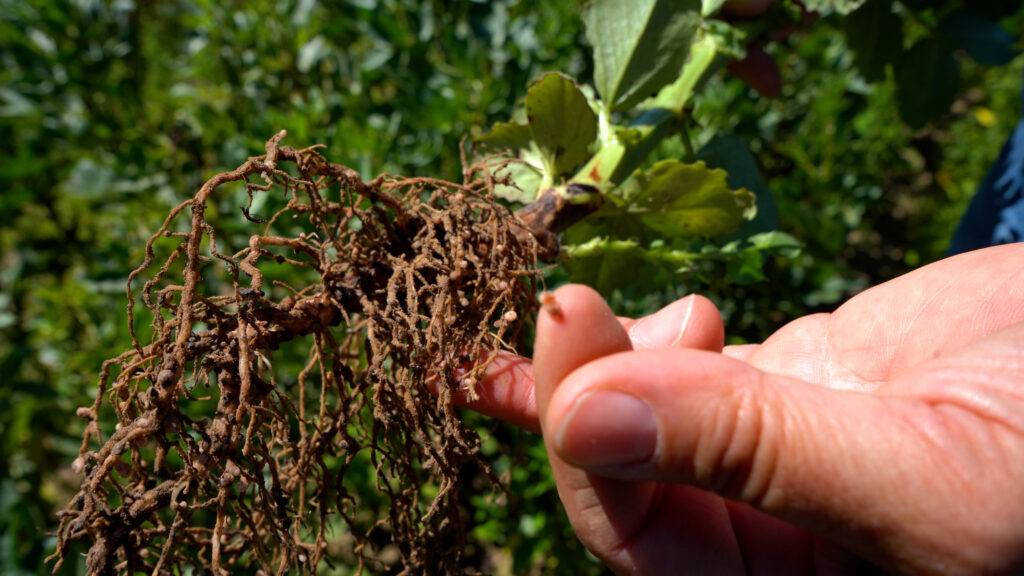
A well,known example is Rhizobium bacteria, which live in symbiosis with legumes such as fava beans. They form small nodules on the plant’s roots, where they supply nitrogen to the plant in exchange for sugars from photosynthesis.
Fungi: essential players in soil health
Fungi are central to soil health. Species such as Trichoderma or Penicillium are effective decomposers of cellulose , the complex plant material that forms stems and wood fibres. Other fungi form networks of fine hyphae around plant roots, called mycorrhiza, and help crops like maize, barley, and wheat absorb phosphorus far more efficiently than roots can on their own.
Protozoa: the single, celled predators
Protozoa (single,celled animals) such as amoebae or flagellates feed on fungi, dead small animals, and bacteria. When they consume bacteria, they release nutrients such as nitrogen in forms that plants can easily absorb. Protozoa can also contribute to breaking down chemical residues and soil pollution from industry. In some cases, certain bacteria–protozoa partnerships have been shown to degrade pesticide residues such as atrazine when present in soil.
Nematodes: the tiny worms
At the smaller end of multicellular soil life, we find nematodes. Beneficial nematodes help break down dead organic material, while harmful species can attack plant roots and extract nutrients from living plant tissue. Nematodes are tiny, often less than 1 millimetre and unfortunately difficult to see with the naked eye.
Soil Animals: the larger decomposers
- Earthworms and larvae – create tunnels and channels in the soil.
- Beetles, springtails, woodlice, and spiders – break plant material into smaller pieces and help maintain balance in the food web.
Earthworms are among the most important soil animals. They dig long tunnels that allow air and water to move down through the soil layers. Their activity leaves behind pores (small cavities) that give roots space to grow deep and anchor themselves. This also improves the soil’s ability to retain water.
Beetles, springtails, woodlice, and spiders help maintain balance in the soil food web because they consume fungi, bacteria, other small animals, and organic material in varying amounts. In doing so, they ensure that nutrients are constantly redistributed throughout the system. They also prevent any single species from dominating.
Danish Soil Types
We have now looked at how to assess soil condition, and why the carbon cycle, organic decomposition, and micro,life influence all three dimensions of soil health: physical, chemical, and biological quality.
But one important point remains: soil is not just soil. In Denmark, we have several soil types that respond differently to cultivation, water, fertilisation, and microbial activity. Soil type is determined by the mineral particles it contains, and their size.
These particles can be:
- very small and compact (clay)
- medium,sized (silt)
- coarse and loose (sand)
Gravel and stones can also be significant components in some Danish soils.
There are also organic soils, which consist mainly of decomposed plant material (e.g., peatlands) and forest soils, which are often low in nutrients. Organic soils tend to be nutrients, poor because they contain very few mineral particles to bind nutrients. At the same time, decomposition happens slowly in cold, wet, or acidic environments, meaning nutrients are released far more slowly than in mineral soils.
In Denmark, we typically encounter the following soil types, each influencing soil health in its own way , especially regarding water, air, nutrients, and root growth.
Loam soil (muldjord) – common agricultural soil, often a mix of sand, silt, clay, and organic matter.
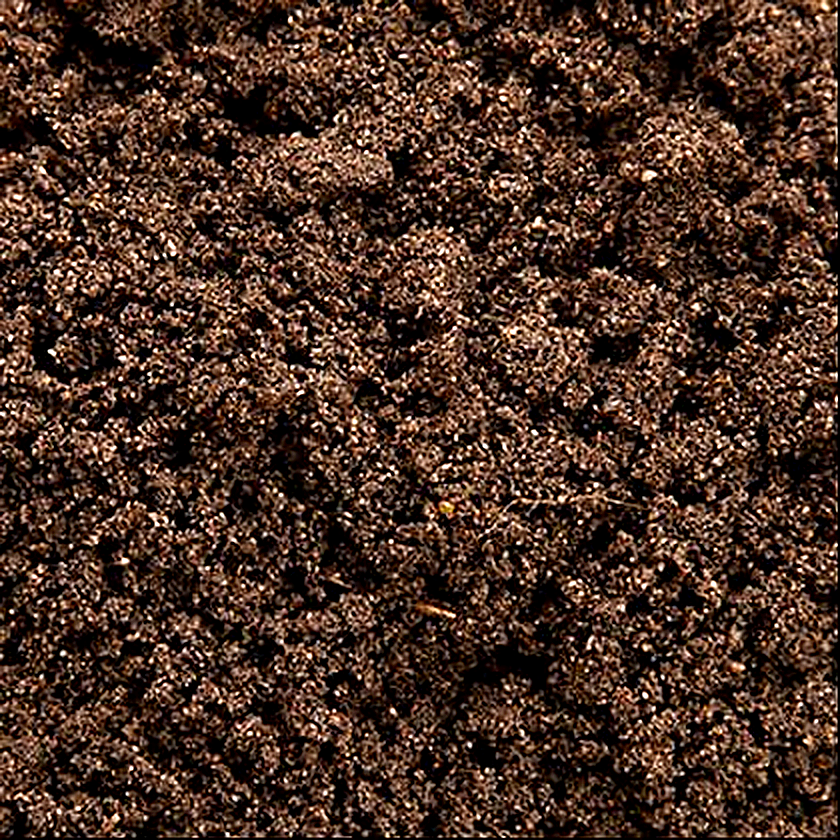
Clay soil (lerjord) – found especially in East Jutland and on the Danish islands; heavy, sticky, and nutrient, rich.

Silt soil (siltjord) – occurs in river valleys; soft and easily compacted during rain.

Sandy soil (sandjord) – typical along the West Coast and coastal areas; easy to work but dries out quickly.
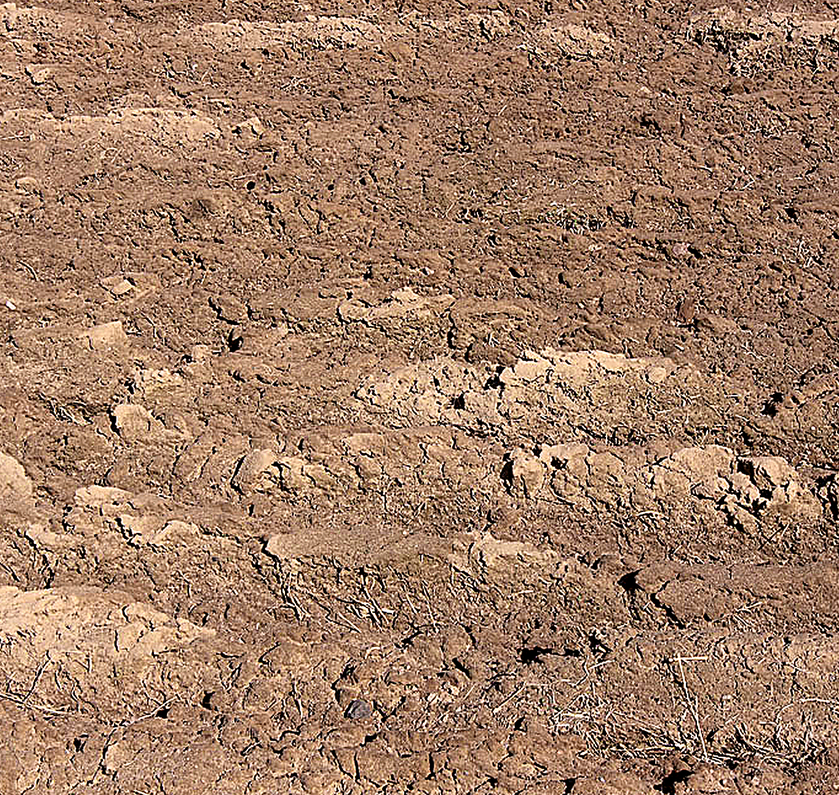
Calcareous soil (kalkrig jord) – found in areas with chalk and limestone (e.g., Stevns and Møns Klint); often with a high pH.

Organic soil (tørvemuld) – found in peatlands and low,lying areas; rich in humus but can collapse when drained.

Most fields are not made up of a single pure soil type but a mixture, for example, clay and sand.
These layers can lie on top of each other. This affects how the soil holds water, air, and nutrients, and how much organic matter it can contain. Two fields may look identical on the surface but still have completely different growing conditions depending on how the clay, sand, and loam layers are distributed underground.
A Good Agricultural Soil Is:
- Porous, with many small cavities, channels, and pockets where air, water, and roots can move.
- Rich in nutrients, meaning saturated with essential minerals such as nitrogen (N), phosphorus (P), and potassium (K), as well as micronutrients.
- Balanced in pH, typically between 6 and 7 depending on crop type, ensuring nutrients remain plant,available.
- Biologically active and diverse, with a rich micro,life of bacteria, fungi, nematodes, and earthworms that break down organic material and maintain the soil’s natural cycles.
A clay, rich soil is fertile because, like other rock, derived soils, it contains many minerals. It is dense and nutrient, rich, which in theory makes it excellent for cultivation , but the challenge is that its structure can become too compact (meaning too few air pockets and channels for life and oxygen to circulate).
Pure sand contains very few minerals, and the grains are so coarse that many plant roots struggle to grow properly and access enough nutrients. For the same reason, micro, life also struggles to thrive.
Loam soil (muldjord) is the best for cultivation and is the dominant soil type in Danish fields. Loam is highly organic and typically rich in both dead and living organisms and plant material.
The Soil’s Ability to Hold Water
One of the soil’s most important functions is to absorb, store, and slowly release water to plant roots. This is crucial because:
- Plants use water in photosynthesis, where they produce sugars and energy.
- Nutrients must be dissolved in water before roots can absorb them. Without water, the nutrient cycle functions far less effectively.
If the soil has stable aggregates and pore spaces (a crumb structure), water can easily infiltrate, spread, and be stored in the root zone. If the soil is depleted, compacted, or lacking organic matter, it cannot absorb water quickly enough. Water remains on the surface, runs off , and may carry soil particles with it.
This is called erosion.
Erosion occurs when the amount and force of water exceed the soil’s ability to hold together, causing soil particles to loosen and wash away. In the landscape, this appears as gullies, muddy runoff, loss of topsoil, and loss of nutrients from fields into streams and lakes.
If you want to quickly test a soil’s resistance to water erosion, you can use a transparent container filled with soil and pour water through it. Farmer Søren Ilsøe demonstrates this simple test here.
As the climate changes with more extreme rainfall and drought periods, it becomes increasingly important that soil can handle both large amounts of water and periods of water scarcity. In a healthy soil system, water moves through several stages, and both plants and micro,life depend on this cycle functioning properly.
We can follow the path of water in the soil as a kind of journey.
The key is maintaining balance so that neither excessive runoff during rain nor severe drying during drought occurs. The process begins when it rains. Ideally, water should infiltrate the soil rather than remain on the surface. The soil’s ability to absorb water is called its infiltration capacity.
A soil with good structure and pores (air spaces) has a high infiltration capacity. When the soil has absorbed as much water as it can hold against gravity, it has reached its field capacity. At this point, water remains available in the pores for plants to use.
Water can also move upward from deeper soil layers toward the roots through capillary forces , the physical forces that pull water upward through tiny pores, similar to how a sponge absorbs water.
Plants absorb water through their roots and use it for photosynthesis and growth. If the soil dries out so much that plants can no longer extract water (even though a small amount remains), the soil reaches the permanent wilting point, the plant wilts because the remaining water is unavailable. This occurs especially during extreme droughts or in very sandy soils.
Healthy soil creates balance throughout the entire process, it absorbs water, stores it, delivers it to plants, and releases it again without losing soil or nutrients along the way. Water leaves the soil through evaporation from the surface and transpiration from plants. Together, these processes are called evapotranspiration.
When it rains again, the cycle begins anew.